Organic Fertilizer vs Vermicompost: What is the Real Difference?


Gardeners frequently ask: "I already have access to local cow dung manure (Gobar Khad); why should I invest in Vermi Raja Vermicompost?"
1. Microbial Density: Traditional manure is often aged anaerobically or left in exposed heaps where rain leaches its nitrogen. Vermicompost contains up to 100 times more active beneficial aerobic microbes.
2. Weed Seeds & Pathogens: Raw or partially cured farm manure often introduces stubborn weed seeds, fly larvae, and harmful bacterial strains (like E. coli) into container pots. Earthworms digest and destroy weed seeds and pathogens during composting.
3. Smell & Cleanliness: Manure retains an unmistakable barnyard odor, making it unusable in balconies and indoors. Vermi Raja is completely odourless, dry to touch, and does not attract flies.
4. Nutrient Concentration: Worm digestion concentrates nitrogen, available phosphorus, and potash into water-soluble humate forms that plants utilize immediately without burning.
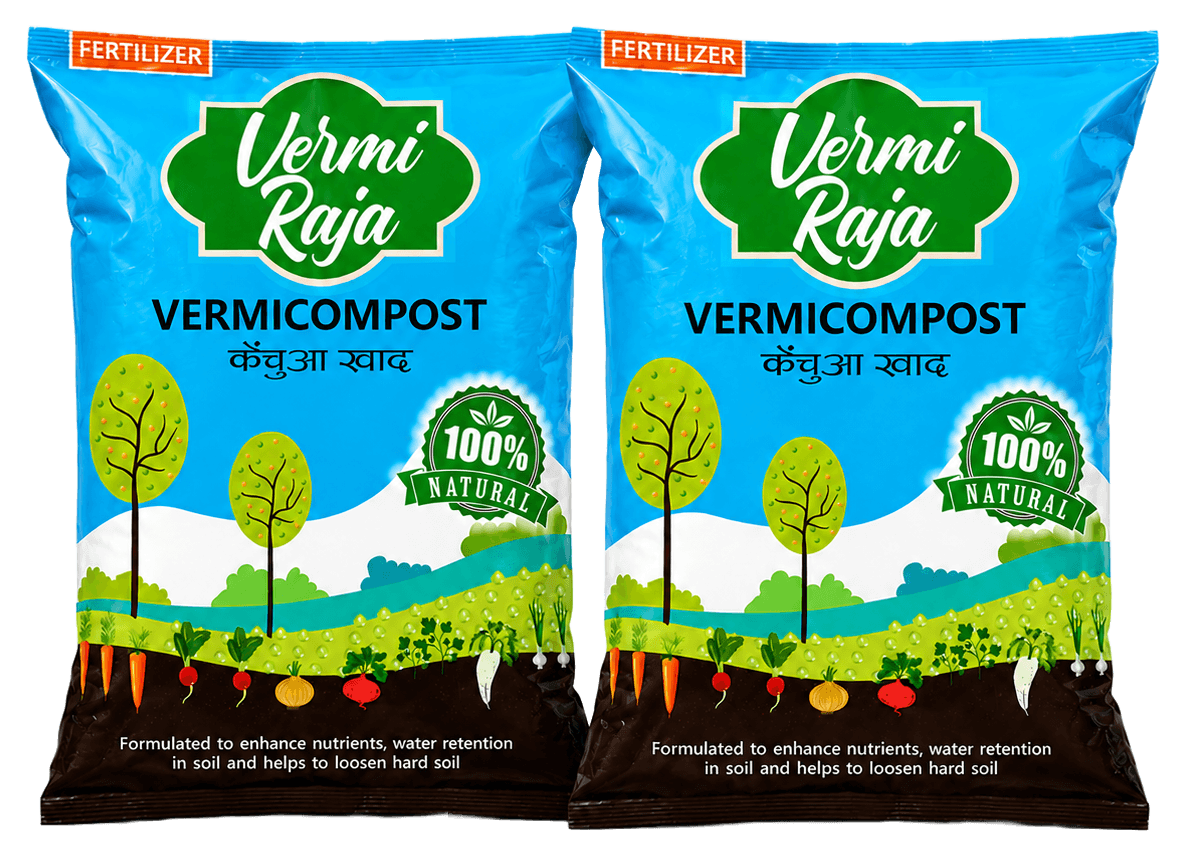
Vermi Raja Vermicompost (10 KG)
Switching completely from traditional manure to Vermi Raja? Upgrade to our 10 KG bulk pack for comprehensive garden replenishment.
Related Gardening Guides
Continue learning how to care for your soil and plants organically

10 Proven Benefits of Vermicompost for Indoor and Outdoor Plants
From aerating heavy clay soils to providing vital bio-stimulants, discover why vermicompost is the ultimate sustainable booster for any garden.
How to Improve Garden Soil Naturally: 5 Simple Steps to Fertile Earth
Healthy plants cannot grow in dead, compacted dirt. Learn how to replenish organic carbon and reintroduce microbial life into depleted garden soil.
What Is Vermicompost? The Complete Guide to Black Gold for Plants
Discover how specialized earthworms transform organic matter into nutrient-dense, odourless castings packed with plant-available minerals and beneficial microbes.